
tempered glass wholesale price
Understanding Globe Valves Key Features and Applications Globe valves are one of the most commonly used types of valves in various industries due to their unique design and functionality. A globe valve is designed to regulate fluid flow in a pipe by using a spherical disc that can be moved to open or close the passageway. This article will explore the characteristics, advantages, and applications of globe valves. Design and Functionality The globe valve consists of a disc, a seat, a body, and a bonnet. The disc is positioned perpendicular to the flow of fluid, and it can be raised or lowered to control the amount of fluid that passes through the valve. The body of the valve is typically made of materials such as brass, stainless steel, or plastic, depending on the application and type of fluid being handled. One of the key features of a globe valve is its ability to provide precise control over flow rates. This is due to the inherent design, which allows for a gradual opening and closing of the valve. The flow passes through the valve in an S-shaped path, which dissipates energy and helps to reduce turbulence, resulting in a smoother flow. Advantages of Globe Valves 1. Flow Regulation Globe valves are renowned for their excellent throttling capabilities. They allow for accurate adjustments to the flow, making them ideal for situations where precise control is necessary. 2. Durability The sturdy construction of globe valves makes them well-suited for high-pressure applications. They are designed to withstand significant stress and maintain their integrity over time. 3. Versatility Globe valves can be used in a variety of applications, including water supply systems, chemical processing, and HVAC systems. Their adaptability to different environments and media types adds to their widespread use. globe valve 6 4. Reduced Water Hammer Because of their design, globe valves tend to reduce the phenomenon known as water hammer, which is a pressure surge that occurs when the flow of fluid is suddenly stopped or changed. This is particularly beneficial in piping systems where sudden changes in pressure can lead to damage. 5. Ease of Maintenance Globe valves are relatively easy to disassemble and repair, making maintenance straightforward and cost-effective. Many globe valves are designed with accessible components for routine inspections. Applications of Globe Valves Globe valves are versatile devices utilized across multiple sectors. In the water and waste management industry, they are used to control flow rates and manage water distribution systems. In oil and gas applications, globe valves are employed to regulate pressure and flow in pipelines, ensuring the safe and efficient transport of materials. In the chemical industry, globe valves facilitate the handling of corrosive chemicals by providing a reliable means of controlling flow, thereby protecting equipment and personnel. Additionally, in the HVAC industry, they are instrumental in controlling heating and cooling systems, maintaining desired temperatures within buildings. Moreover, globe valves are frequently found in power generation plants, where they manage steam and water flow in boilers and turbines, optimizing the efficiency of energy production. Their ability to operate effectively under high temperatures and pressures makes them essential components in these critical systems. Conclusion Globe valves play an essential role in ensuring that fluid systems operate smoothly and efficiently. Their design allows for tight sealing and precise control, making them ideal for applications that require careful regulation of flow. As industries continue to evolve and technology advances, the demand for reliable and efficient components like globe valves will only increase, highlighting their importance in modern engineering and industrial practices. Understanding the features and applications of globe valves is crucial for engineers and technicians who aim to implement effective solutions across various sectors.
about
tempered glass wholesale price
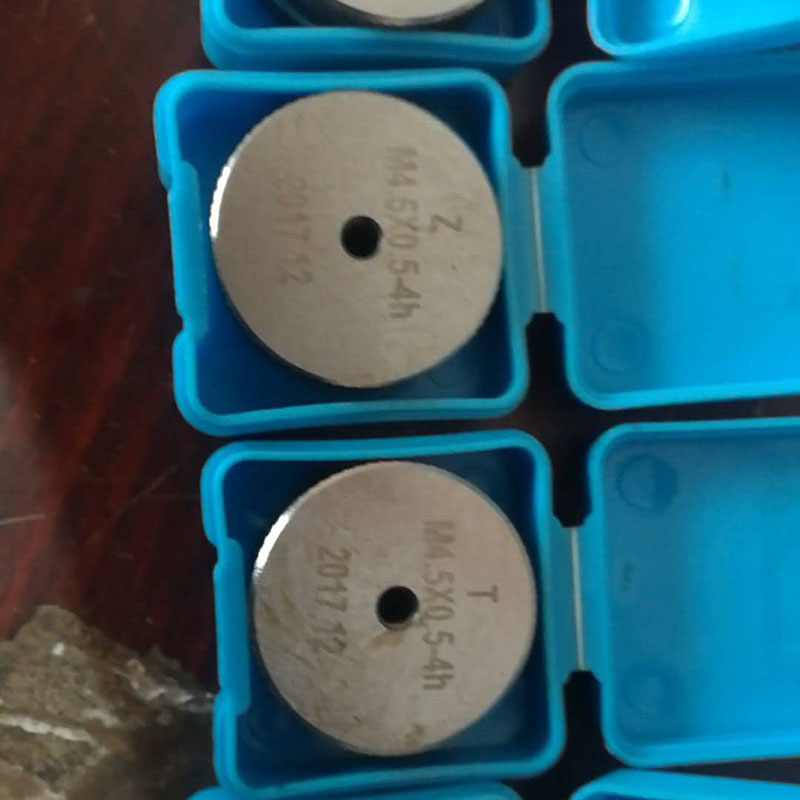
Understanding Pin Gauge Measurement Principles and Applications Pin gauge measurement is a widely used technique in various engineering and manufacturing domains, providing precise dimensions essential for quality control and product integrity. Pin gauges, also known as pin measuring tools, consist of a series of cylindrical pins of known diameter that are used to measure hole sizes, gaps, and clearances with exceptional accuracy. This article delves into the principles, applications, and advantages of pin gauge measurement. Principles of Pin Gauge Measurement The fundamental principle behind pin gauges is their ability to compare unknown dimensions against known standards. Each pin gauge is manufactured to exact specifications, with each pin's diameter representing a specific measurement. These gauges are typically categorized into two main types go and no-go pins. - Go Pins These pins are designed to fit into a hole or gap, confirming that the measured space is within the acceptable tolerance range. - No-Go Pins Conversely, these pins are designed to be larger than the specified dimension. If the no-go pin fits, it indicates that the hole or gap is too large and exceeds the maximum allowable limit. Together, these gauges provide a simple yet effective way to ensure that manufactured parts meet predetermined specifications. Applications of Pin Gauge Measurement Pin gauges are extensively utilized in industries such as automotive, aerospace, and precision engineering, where dimensional accuracy is critical. Their applications include, but are not limited to 1. Inspection of Hole Sizes Pin gauges are used to measure the diameters of holes in various components, ensuring they meet design specifications. For instance, in engine manufacturing, accuracy in hole sizes is vital for proper assembly and performance. 2. Quality Control Regular use of pin gauges in quality control processes helps maintain product standards. By consistently verifying measurements, manufacturers can reduce defects and improve overall reliability. 3. Calibration of Machines Manufacturers often use pin gauges to calibrate machines that produce or utilize pre-machined components. This ensures that the equipment is functioning correctly and producing parts within the desired tolerance levels. pin gauge measurement 4. Tooling and Fixture Design Designers utilize pin gauges in the tooling process to create fixtures that hold components securely in place during production, further enhancing accuracy . Advantages of Pin Gauge Measurement The use of pin gauges offers several advantages that contribute to their popularity in precision measurement - High Precision Pin gauges provide highly precise measurements, essential for industries where even minor deviations can lead to significant issues. - Ease of Use Their straightforward design makes pin gauges easy to use, requiring minimal training for operators. This accessibility allows for quick measurements without the need for complex setups. - Durability Made from high-quality materials, pin gauges are durable and resist wear, providing longevity and reliability in a manufacturing environment. - Cost-Effective Compared to other measurement tools, pin gauges are relatively inexpensive, making them a cost-effective choice for manufacturers. - Versatility Pin gauges are available in a range of sizes and can be used in various applications, making them versatile tools in a measurement toolkit. Conclusion Pin gauge measurement is an integral part of the manufacturing process, ensuring that components meet required specifications and tolerances. By utilizing both go and no-go gauges, manufacturers can easily assess whether parts are within the desired limits, facilitating quality control and reducing the likelihood of defects. As industries continue to prioritize precision, the relevance of pin gauge measurement will undoubtedly endure, solidifying its place as a fundamental tool in engineering and manufacturing. Understanding its principles, applications, and advantages enables professionals to utilize pin gauges effectively, contributing to the overall success and reliability of their operations.
-

High quality industrial productsagement

High quality industrial products
View Details -

Meet the diverse needs of customers

Meet the diverse needs of customers
View Details -

Strict quality control

Strict quality control
View Details -

Top raw materials

Top raw materials
View Details -

Trusted supplier

Trusted supplier
View Details
Our application


news and information
water valve replacement
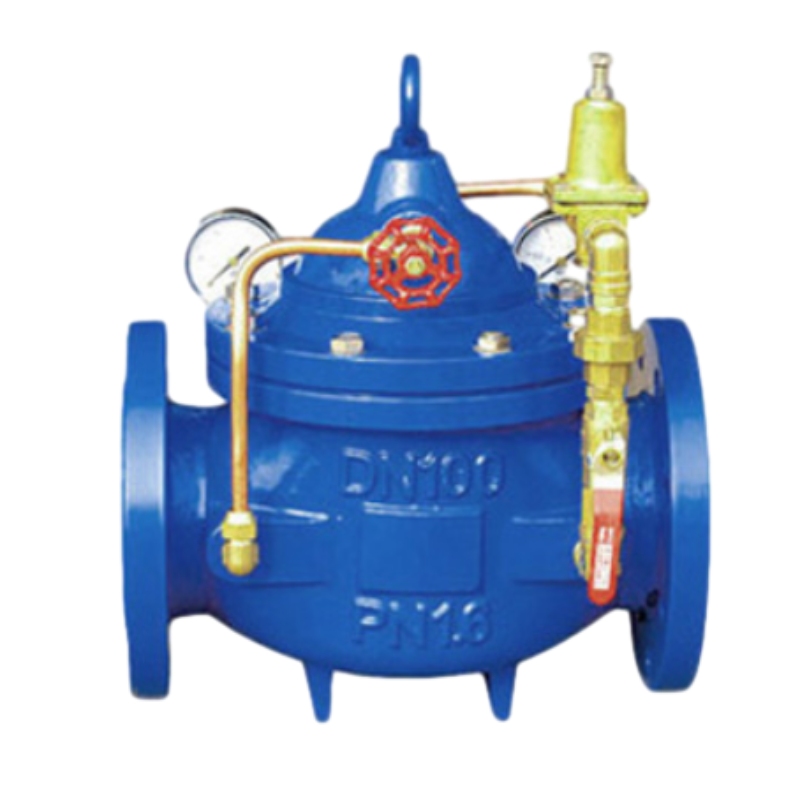
Water Valve Replacement Ensuring Optimal Performance in Your Plumbing System Water valves play a cri

welding table cast iron
The Importance of Welding Tables in Cast Iron Fabrication Welding is an essential process in metalwo

water valve won't shut off
Troubleshooting Your Water Valve Why It Won't Shut Off and How to Fix It Water valves are crucial co
 English